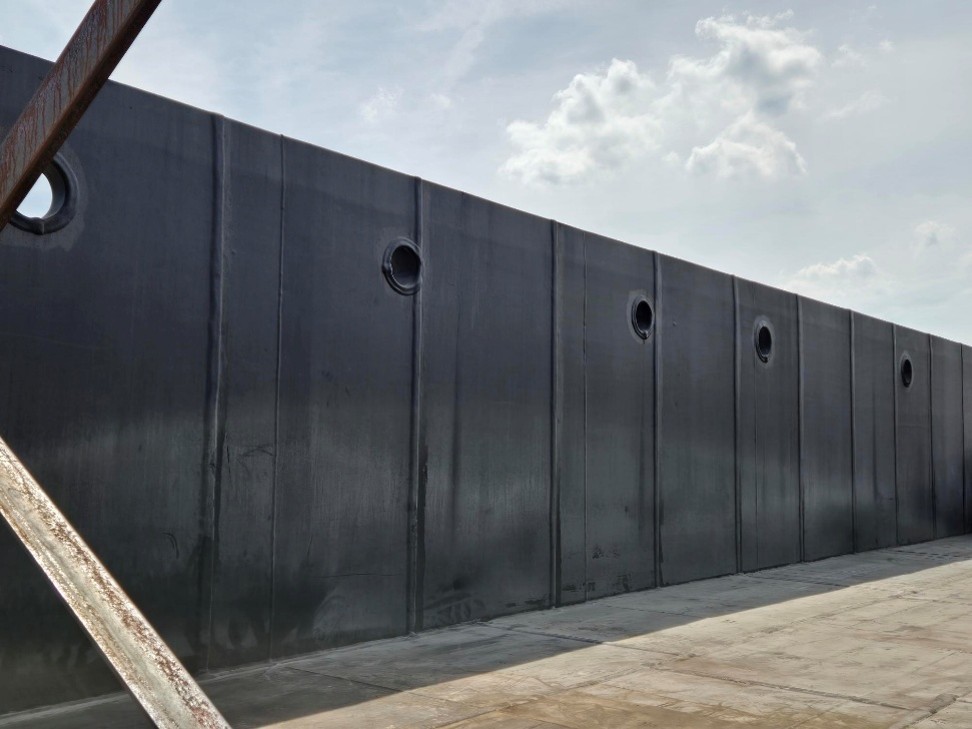
When your operation depends on safely storing corrosive chemicals, acids, or abrasive materials, the tank you choose isn’t just a container; it’s a frontline defense against corrosion, contamination, downtime, and costly equipment failure. That’s why more industrial facilities, plating shops, and chemical processors are turning to rubber‑lined tanks as their preferred solution.
Rubber linings offer unmatched protection, longevity, and performance in environments where traditional steel tanks simply can’t keep up. Here’s why rubber‑lined tanks from Moon Fabrication are the smartest investment you can make.
1. Superior Corrosion Resistance
Acids, caustics, and aggressive chemicals attack steel quickly. Rubber linings create a non‑reactive barrier that prevents:
- Chemical corrosion
- Pitting
- Rust
- Metal degradation
This dramatically extends the life of the tank and protects your materials from contamination.
Ideal for:
- Pickling operations
- Plating lines
- Chemical processing
- Wastewater treatment
- High‑temperature or high‑acidity environments
2. Protection Against Abrasion & Wear
Many industrial processes involve abrasive slurries, particulates, or materials that can erode steel surfaces over time. Rubber linings absorb impact and resist abrasion, keeping your tank structurally sound even under heavy use.
Perfect for:
- Mining operations
- Slurry storage
- High‑flow chemical circulation
- Mechanical agitation systems
3. Increased Safety & Compliance
Rubber linings help facilities meet strict safety and environmental regulations by:
- Preventing leaks
- Reducing chemical exposure
- Maintaining structural integrity
- Protecting workers and equipment
Moon Tanks builds rubber‑lined tanks that align with EPA, OSHA, and industry‑specific compliance standards, giving you peace of mind and reducing regulatory risk.
4. Extended Tank Lifespan
A steel tank without lining may last a few years in harsh chemical environments. A rubber‑lined tank can last decades with proper maintenance.
That means:
- Fewer replacements
- Lower long‑term costs
- Less downtime
- Better ROI
Rubber linings turn a standard tank into a long‑term asset.
5. Customizable for Any Industrial Application
Rubber linings can be engineered for:
- Specific chemical resistance
- Temperature tolerance
- Thickness requirements
- Abrasion levels
- Pressure conditions
Moon Tanks specializes in custom rubber‑lined tanks built to your exact specifications — whether you need a pickling tank, plating tank, chemical storage tank, or a fully custom industrial solution.
6. Reduced Maintenance & Easier Cleaning
Rubber‑lined surfaces:
- Resist buildup
- Reduce scaling
- Prevent chemical bonding
- Make cleaning faster and safer
This keeps your operation running smoothly and reduces labor costs.
7. Lower Risk of Catastrophic Failure
Unlined steel tanks can fail suddenly when corrosion reaches critical levels. Rubber linings act as a protective shield, dramatically reducing the risk of:
- Leaks
- Structural breaches
- Chemical spills
- Emergency shutdowns
For facilities storing hazardous materials, this protection is essential.
FAQs: Rubber‑Lined Tanks
What makes rubber linings ideal for harsh chemical environments?
Rubber linings act as a non‑reactive barrier that protects the steel tank from chemical attack, making them ideal for acids, caustics, and abrasive materials that would quickly degrade unlined metal.
Do rubber‑lined tanks work for both storage and processing applications?
Yes. Rubber‑lined tanks are used not only for storage but also for active processing environments like plating lines, pickling operations, and chemical circulation systems.
How often does a rubber lining need to be inspected?
Most facilities perform annual inspections, but frequency depends on chemical type, temperature, and usage. Rubber linings typically require less maintenance than unlined steel.
Can rubber linings be repaired if they become damaged?
In many cases, yes. Rubber linings can be patched or resurfaced without replacing the entire tank, which reduces downtime and long‑term costs.
Are rubber‑lined tanks compatible with high‑temperature chemicals?
Certain rubber compounds are engineered for elevated temperatures. The correct lining is selected based on your specific chemical and operating conditions.
Why Moon Fabrication Is the Leader in Rubber‑Lined Industrial Tanks
Moon Fabrication delivers:
- Precision‑engineered steel tanks
- Expert rubber lining application
- Industry‑leading durability
- Custom fabrication for any industrial need
- Fast turnaround times
- American‑made quality
Whether you need a rubber‑lined pickling tank, plating tank, chemical storage tank, or a fully custom solution, Moon Tanks builds tanks that perform under the toughest conditions.
Ready to Upgrade to a Rubber‑Lined Tank?
Rubber‑lined tanks aren’t just a better option’; they’re the industry standard for safe, long‑lasting chemical storage. If your operation depends on reliability, corrosion resistance, and safety, Moon Fabrication is ready to build the tank that keeps your business running strong.Request a quote today and get a tank engineered for your exact needs.